




The Allure of Floating Islands: Sustainable Luxury in a Changing World
The concept of a private island has long been synonymous with ultimate luxury and exclusivity. But as the world grapples with pressing environmental concerns, a new vision of island living is emerging: the floating island. These innovative creations offer a unique blend of opulence, sustainability, and resilience, appealing to discerning individuals who seek to minimize their environmental footprint while enjoying the unparalleled freedom and privacy of island ownership. This article delves into the captivating world of floating islands, exploring their design, technology, and the sustainable lifestyle they offer.
The Rise of Sustainable Luxury Real Estate
The luxury real estate market is undergoing a significant transformation. Today’s affluent buyers are increasingly conscious of their environmental impact and are actively seeking properties that reflect their commitment to sustainability. This shift has fueled the demand for eco-friendly homes, green building materials, and energy-efficient technologies. Floating islands perfectly align with this trend, offering a unique opportunity to create a self-sufficient and environmentally responsible living space. They represent a paradigm shift in luxury living, where opulence and sustainability are no longer mutually exclusive but rather complementary aspects of a desirable lifestyle. Many people enjoy playing various games to pass time, and some even wager on sports games. You can check out different sports and games at jojobet.
Designing the Dream: Customization and Innovation
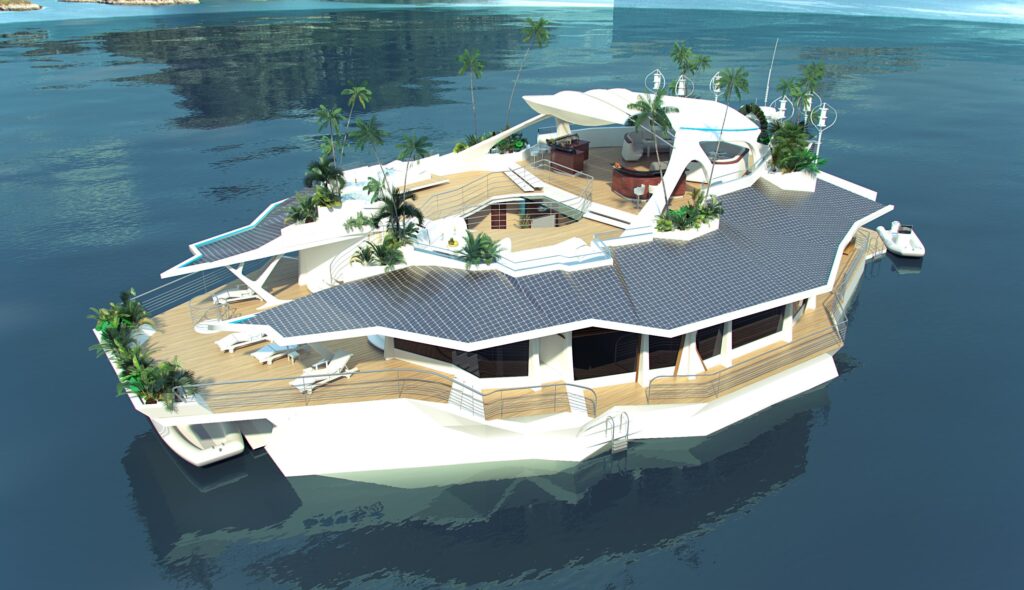
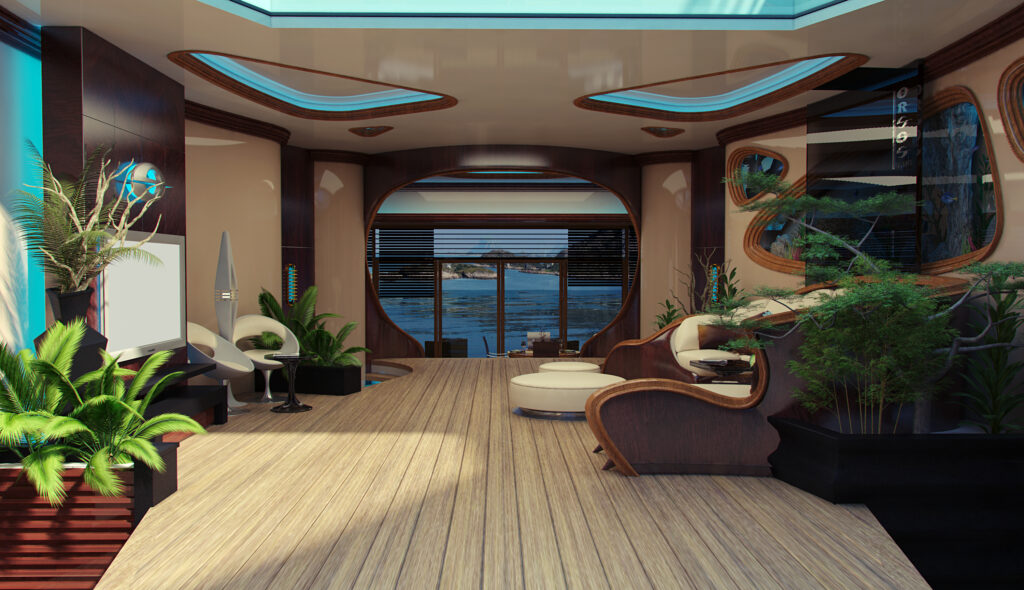
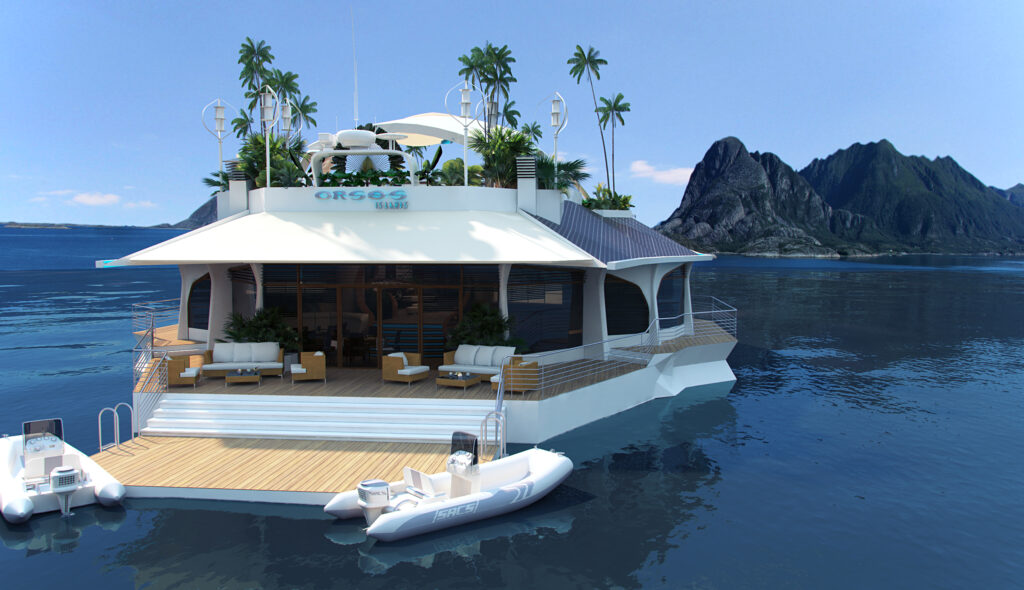
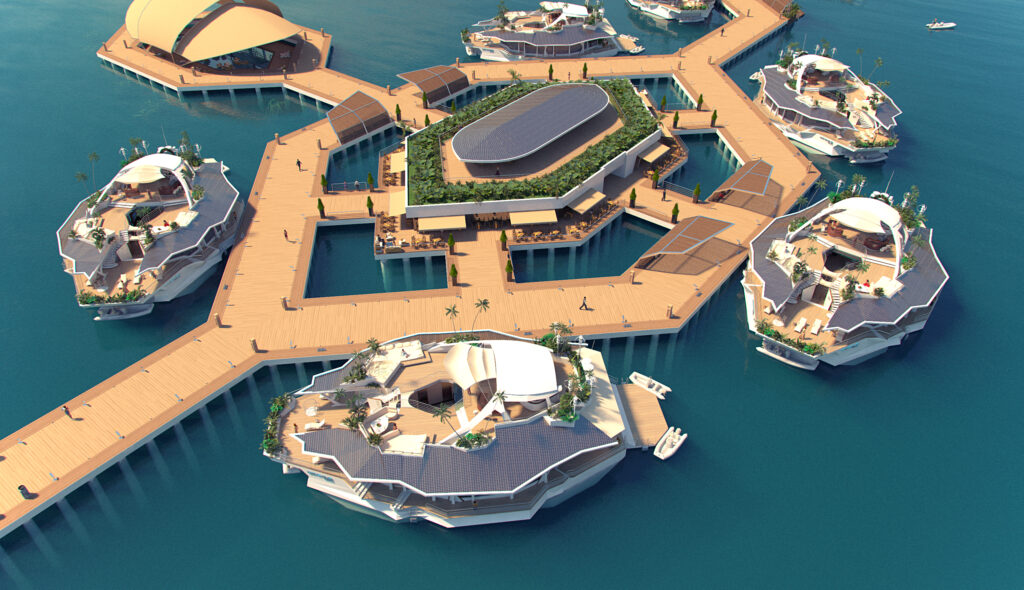
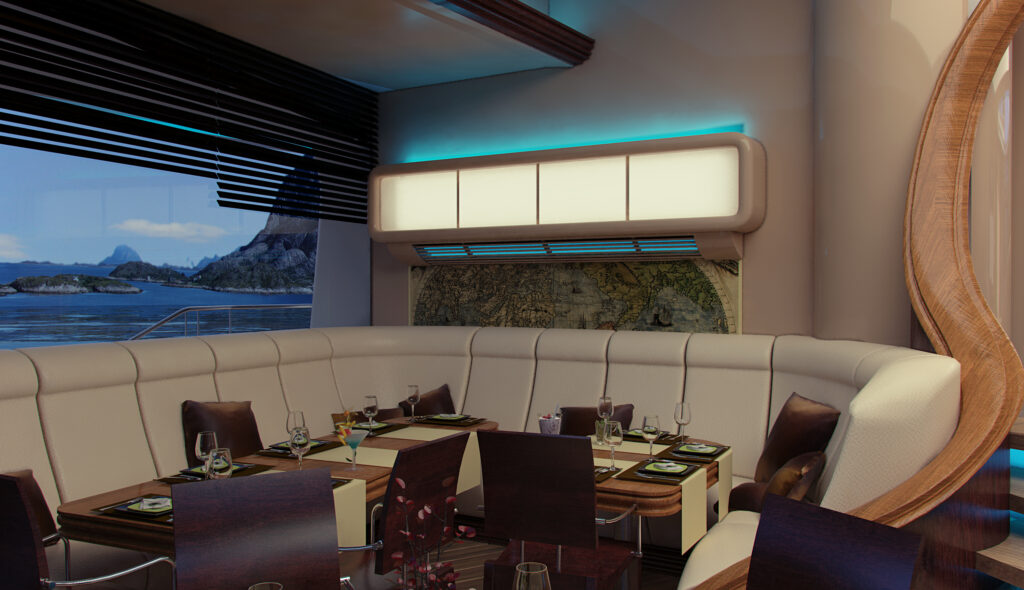
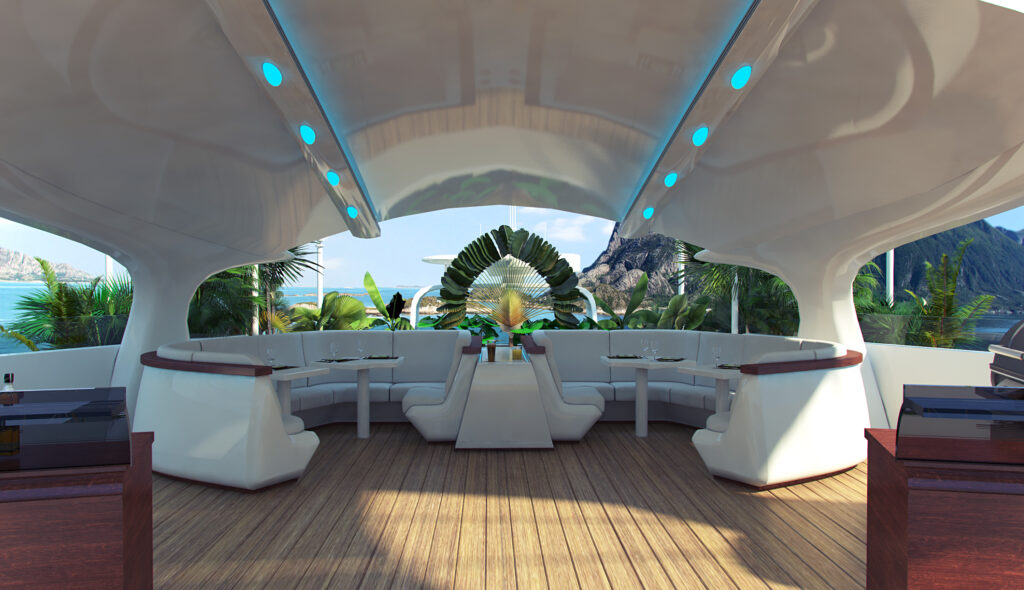
One of the most appealing aspects of floating islands is their unparalleled potential for customization. Unlike traditional land-based properties, floating islands can be designed to meet the specific needs and preferences of their owners. Architects and engineers are pushing the boundaries of innovation, creating bespoke designs that seamlessly integrate luxury amenities with sustainable technologies. From sprawling villas with infinity pools to underwater observation decks and private marinas, the possibilities are virtually limitless. The structural design of these islands often incorporates advanced materials and engineering techniques to ensure stability, durability, and resistance to extreme weather conditions. Furthermore, the location of a floating island can be strategically chosen to optimize sunlight exposure for solar energy generation and to minimize environmental impact on surrounding ecosystems.
Sustainable Living on the Water: Energy, Water, and Waste Management
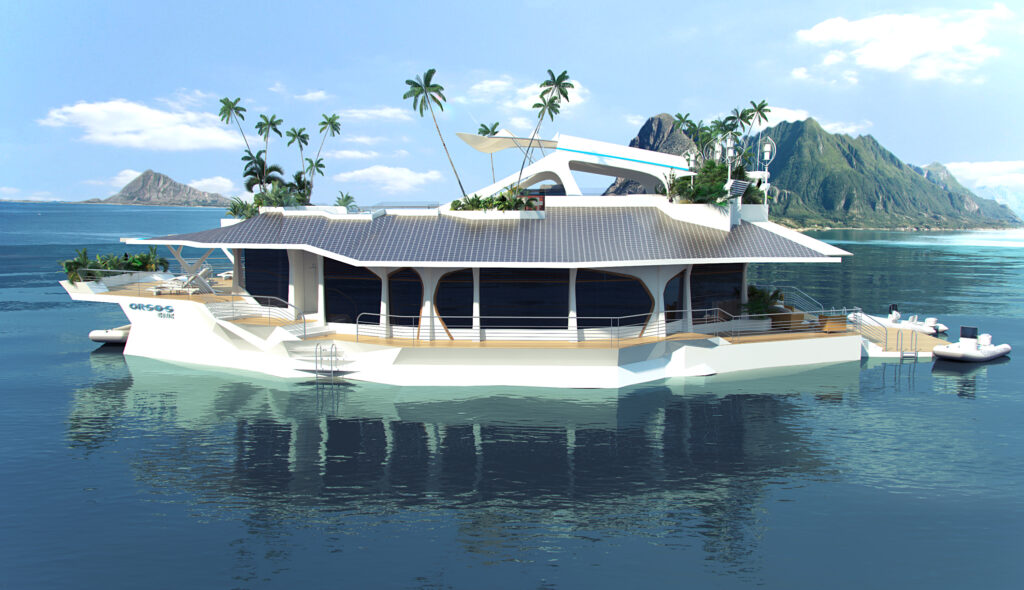
Sustainability is at the heart of the floating island concept. These innovative structures are designed to minimize their environmental footprint through a range of eco-friendly technologies and practices. Solar panels are commonly used to generate electricity, while seawater desalination systems provide a reliable source of fresh water. Advanced wastewater treatment systems recycle water for irrigation and other non-potable uses, reducing reliance on external resources. Waste management is also a critical consideration, with composting systems and recycling programs implemented to minimize landfill waste. The ultimate goal is to create a closed-loop system where resources are conserved and waste is minimized, allowing residents to live in harmony with the environment. Some islands even incorporate vertical farms and hydroponic gardens, enabling residents to grow their own food and further reduce their carbon footprint.
The Future of Private Islands: Resilience and Adaptation
As climate change continues to pose significant challenges, floating islands offer a compelling solution for resilient and adaptable living. Unlike land-based properties that are vulnerable to rising sea levels and coastal erosion, floating islands can adapt to changing environmental conditions. Their ability to move and adjust to changing water levels provides a unique advantage in an increasingly unpredictable world. Furthermore, the self-sufficient nature of these islands makes them less reliant on external infrastructure and supply chains, enhancing their resilience to disruptions. The development of floating islands represents a significant step towards a more sustainable and resilient future for coastal communities and individuals seeking to protect their investments and lifestyles in the face of climate change. The concept extends beyond just private residences; entire floating cities are being explored as potential solutions for overcrowded coastal areas and as a way to accommodate populations displaced by rising sea levels.
In conclusion, floating islands represent the pinnacle of luxury and sustainability, offering a unique and innovative approach to island living. As technology advances and environmental awareness grows, these remarkable creations are poised to become increasingly popular among discerning individuals who seek to create a truly exceptional and environmentally responsible lifestyle.
