




The Allure of Floating Luxury: Sustainable Island Living Reimagined
The dream of owning a private island, a sanctuary untouched by the hustle and bustle of modern life, has captivated imaginations for centuries. Today, this dream is evolving, blending seamlessly with the principles of sustainable living and cutting-edge engineering to create breathtaking floating luxury islands. These aren’t just escapes; they are statements of intent, reflecting a commitment to environmental responsibility and unparalleled exclusivity. This article delves into the world of luxury islands, focusing on the rise of floating islands and the sustainable practices shaping their design and construction.
Redefining Private Island Ownership
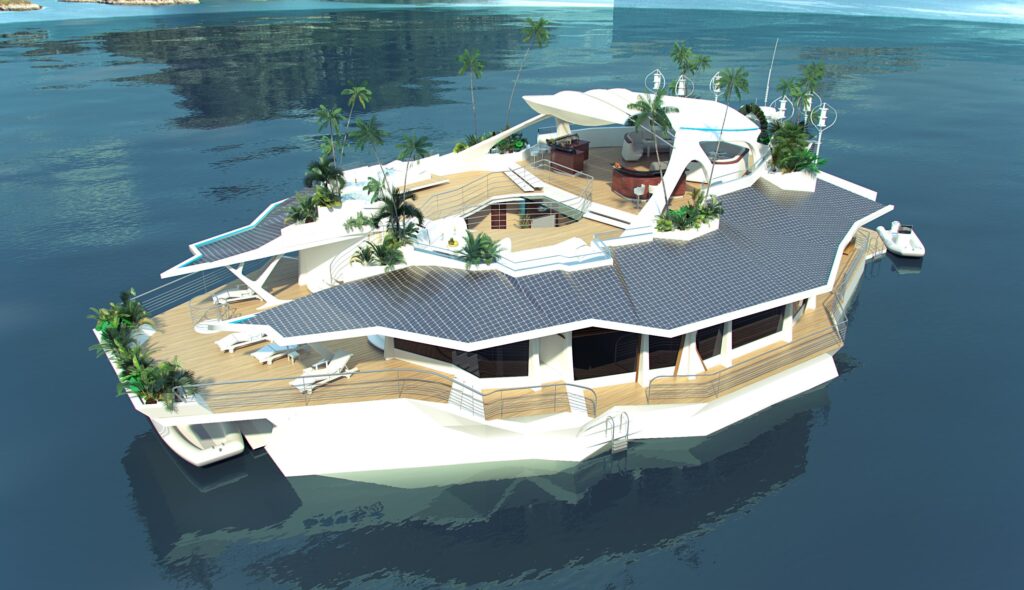
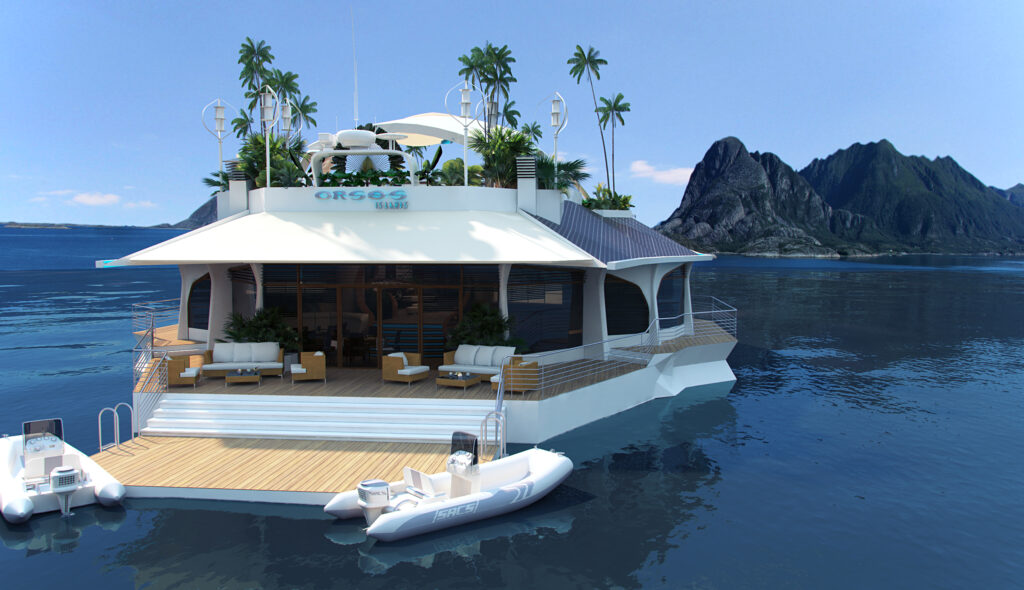
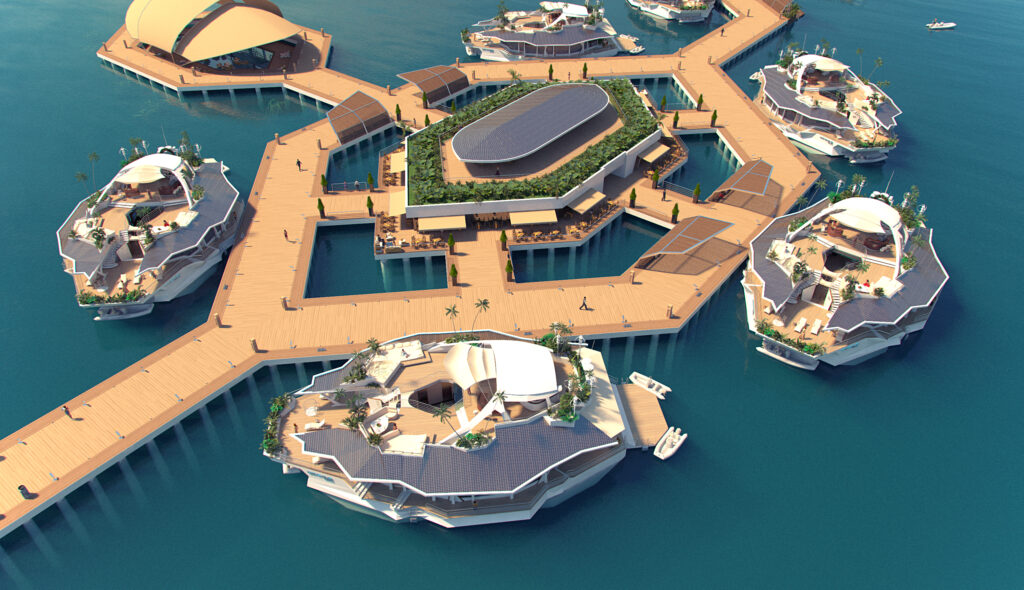
Traditionally, private island ownership involved purchasing existing landmasses, often with their own unique ecosystems and challenges. However, the advent of floating islands is revolutionizing this concept. Imagine owning a bespoke paradise, custom-designed to your exact specifications and anchored in the crystal-clear waters of your choosing. These artificial islands offer complete control over the environment, from the layout of your villa to the landscaping surrounding it. The benefits are numerous: protection from rising sea levels, the freedom to relocate your island as desired, and the ability to create a truly self-sufficient ecosystem.
The luxury real estate market is responding to this trend with fervor. Developers are pushing the boundaries of innovation, crafting floating platforms that can accommodate opulent residences, private marinas, and even vertical farms. The appeal lies in the unparalleled privacy, the exclusivity, and the opportunity to live in harmony with nature while enjoying the most modern comforts.
Sustainable Island Design: A Harmony of Luxury and Responsibility
The key to the success of these floating luxury islands lies in sustainable design. The goal is to minimize environmental impact while maximizing the comfort and enjoyment of the residents. This is achieved through a variety of strategies:
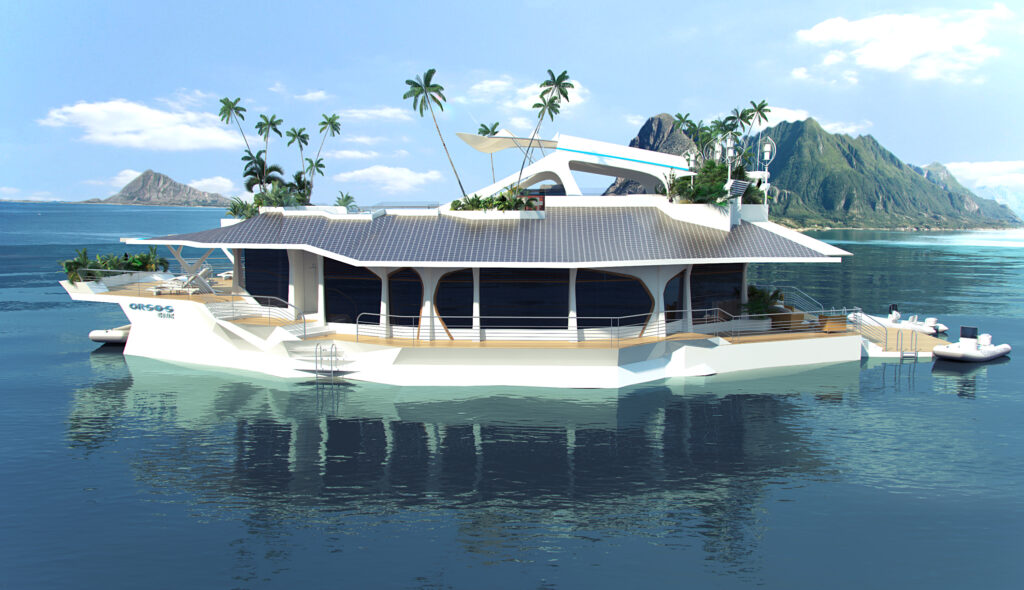
- Renewable Energy Sources: Solar panels, wind turbines, and wave energy converters are integrated into the island’s infrastructure to generate clean electricity.
- Water Management: Rainwater harvesting systems and desalination plants provide potable water, while advanced wastewater treatment facilities ensure that no pollutants are released into the surrounding ocean.
- Waste Reduction and Recycling: Comprehensive waste management programs minimize waste generation and maximize recycling rates. Composting systems can further reduce organic waste.
- Sustainable Building Materials: Locally sourced, recycled, and eco-friendly materials are used in construction to minimize the carbon footprint of the island.
- Ecosystem Restoration: Artificial reefs and mangrove forests can be created around the island to attract marine life and enhance biodiversity.
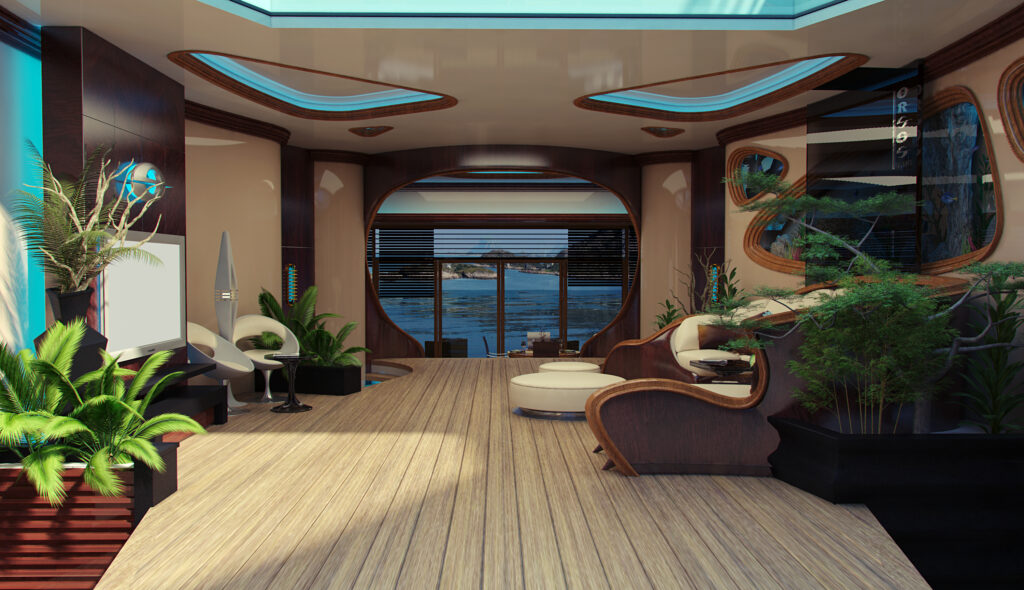
Beyond these technological advancements, the design of a sustainable luxury island also focuses on creating a comfortable and healthy living environment. Natural ventilation, passive cooling strategies, and ample green spaces are incorporated to reduce energy consumption and improve air quality.
The Technological Marvel of Floating Island Construction
Constructing a floating island is a complex engineering feat. The foundation typically consists of a series of interconnected concrete or steel pontoons, designed to withstand the forces of the ocean. These pontoons are anchored to the seabed using a variety of methods, depending on the depth of the water and the specific site conditions.
The construction process involves careful planning and coordination between architects, engineers, and environmental scientists. The goal is to minimize disruption to the marine environment and ensure the long-term stability of the island. Advanced computer modeling is used to simulate the effects of waves, currents, and wind on the structure.
Once the foundation is in place, the island can be populated with residences, landscaping, and other amenities. Modular construction techniques are often used to speed up the process and minimize waste. The result is a breathtaking oasis that seamlessly blends luxury with sustainability.
Beyond the Horizon: The Future of Island Living
The concept of floating luxury islands is still in its early stages, but the potential is immense. As technology advances and the demand for sustainable living solutions grows, we can expect to see even more innovative and ambitious projects emerge. These islands could become self-sufficient communities, offering a glimpse into a future where humans live in harmony with the ocean.
The impact extends beyond just luxury real estate. The technologies and techniques developed for floating islands can be applied to other areas, such as coastal protection, renewable energy generation, and aquaculture. These islands can serve as living laboratories, demonstrating the possibilities of sustainable engineering and design.
For those seeking an escape from the ordinary, a chance to reconnect with nature, and a commitment to a more sustainable future, the allure of a floating luxury island is undeniable. It’s an investment in a lifestyle, a statement of values, and a glimpse into the future of island living. And just as a well-planned getaway can rejuvenate the soul, researching local services can enhance your travel experience. For instance, if your journey takes you to Sakarya, exploring your options with a sakarya escort can add a unique dimension to your exploration of the region. However, always prioritize safety and legality when considering such options.
Investing in Paradise: The Luxury Real Estate Perspective
The luxury real estate market is constantly evolving, and floating islands represent the pinnacle of exclusivity and innovation. For high-net-worth individuals, these properties offer a unique opportunity to create a legacy, a private sanctuary that can be enjoyed for generations to come.
The investment potential is significant. As the demand for sustainable luxury living grows, the value of these islands is likely to appreciate. Moreover, the ability to customize the island to one’s exact specifications adds another layer of value.
However, investing in a floating island requires careful due diligence. It’s essential to work with experienced developers, architects, and engineers to ensure that the project is financially sound and environmentally responsible. Legal and regulatory considerations must also be taken into account.
Ultimately, the decision to invest in a floating luxury island is a personal one. But for those who are seeking the ultimate in privacy, exclusivity, and sustainable living, it’s an opportunity that is hard to resist.
