




The Allure of Luxury Island Living: Navigating the Legal Landscape
Island living conjures images of pristine beaches, turquoise waters, and unparalleled privacy. For those seeking the ultimate in luxury real estate, a private island offers an escape from the ordinary and a sanctuary of unparalleled beauty. However, acquiring and developing a luxury island is a complex process that requires careful planning and expert guidance. This journey, while exhilarating, necessitates a deep understanding of international law, environmental regulations, and local customs.
The Dream of Private Island Ownership
The appeal of owning a private island is undeniable. It represents the pinnacle of luxury real estate, offering complete control over one’s environment and a level of privacy unattainable elsewhere. Whether it’s a secluded haven in the Caribbean, a sustainable eco-retreat in the Pacific, or a modern marvel floating elegantly on the water, the possibilities are endless.
Beyond the obvious aesthetic and lifestyle benefits, private islands can also be sound investments. As global wealth continues to grow, the demand for exclusive properties increases, making private islands a potentially lucrative asset. This potential return, combined with the inherent exclusivity, fuels the allure of these exceptional properties.
However, realizing this dream requires meticulous planning and a comprehensive understanding of the legal and logistical challenges involved. Securing financing, navigating complex international laws, and ensuring sustainable development are just a few of the hurdles that must be overcome.
Legal Considerations When Purchasing a Luxury Island
The legal aspects of purchasing a luxury island are often far more intricate than those associated with traditional real estate. Depending on the island’s location, the laws governing ownership, development, and environmental protection can vary significantly. Engaging a qualified lawyer specializing in international real estate law is crucial to ensure a smooth and legally sound transaction.
Key legal considerations include:
* **Ownership Rights:** Verifying clear and unencumbered ownership rights is paramount. This involves conducting thorough title searches and ensuring that all previous claims have been properly resolved.
* **Environmental Regulations:** Many islands are subject to stringent environmental regulations aimed at protecting their delicate ecosystems. Developers must comply with these regulations to avoid costly fines and legal challenges. This often involves conducting environmental impact assessments and implementing sustainable building practices.
* **Zoning and Development Restrictions:** Understanding local zoning laws and development restrictions is essential for planning any construction or renovation projects. These regulations can dictate the types of structures that can be built, the height of buildings, and the permissible land use.
* **Tax Implications:** The tax implications of owning a private island can be complex, involving both local and international tax laws. Seeking expert tax advice is crucial to minimize tax liabilities and ensure compliance with all applicable regulations.
* **International Law:** Cross-border transactions always carry extra layers of complexity. A lawyer familiar with the specific jurisdiction and international legal norms is indispensable.
Sustainable Development and Luxury Island Living
As awareness of environmental issues grows, sustainable development has become an increasingly important consideration for luxury island owners. Building a sustainable island paradise not only protects the environment but also enhances the long-term value of the property.
Sustainable development practices include:
* **Renewable Energy Sources:** Utilizing solar, wind, and hydro power to reduce reliance on fossil fuels.
* **Water Conservation:** Implementing rainwater harvesting systems and water recycling technologies.
* **Waste Management:** Developing comprehensive waste management plans to minimize pollution and promote recycling.
* **Eco-Friendly Building Materials:** Using sustainable and locally sourced building materials to minimize the environmental impact of construction.
* **Protecting Biodiversity:** Implementing measures to protect the island’s flora and fauna, including preserving natural habitats and controlling invasive species.
By embracing sustainable development practices, luxury island owners can create a truly exceptional living environment that is both luxurious and environmentally responsible.
Floating Islands: The Future of Luxury Real Estate?
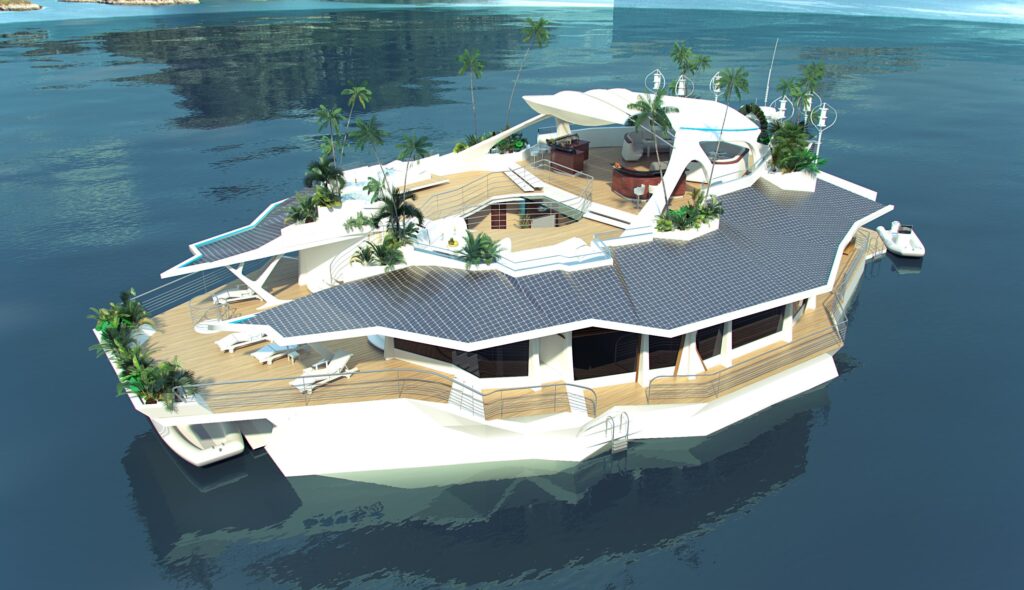
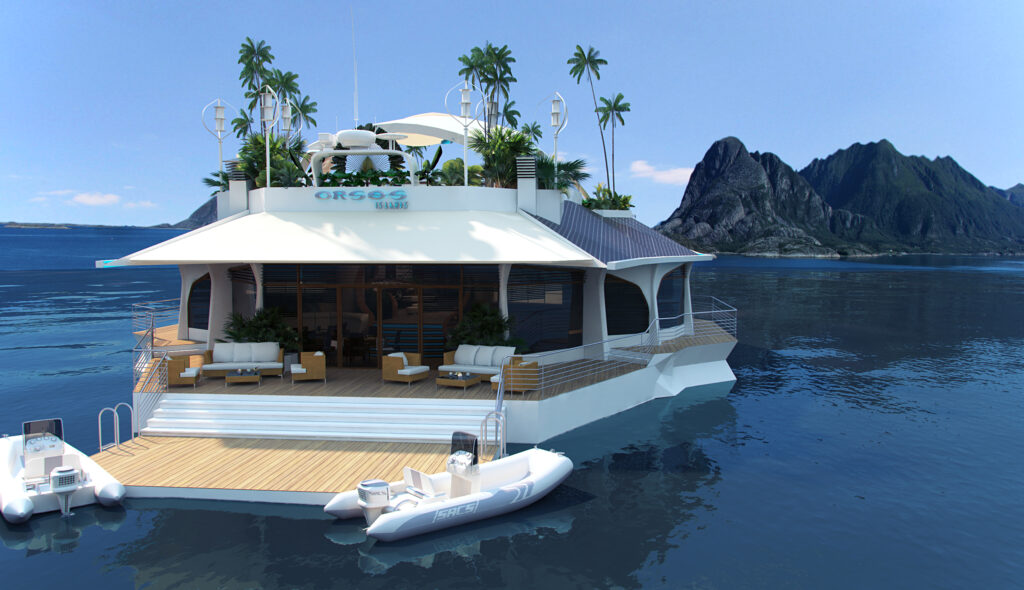
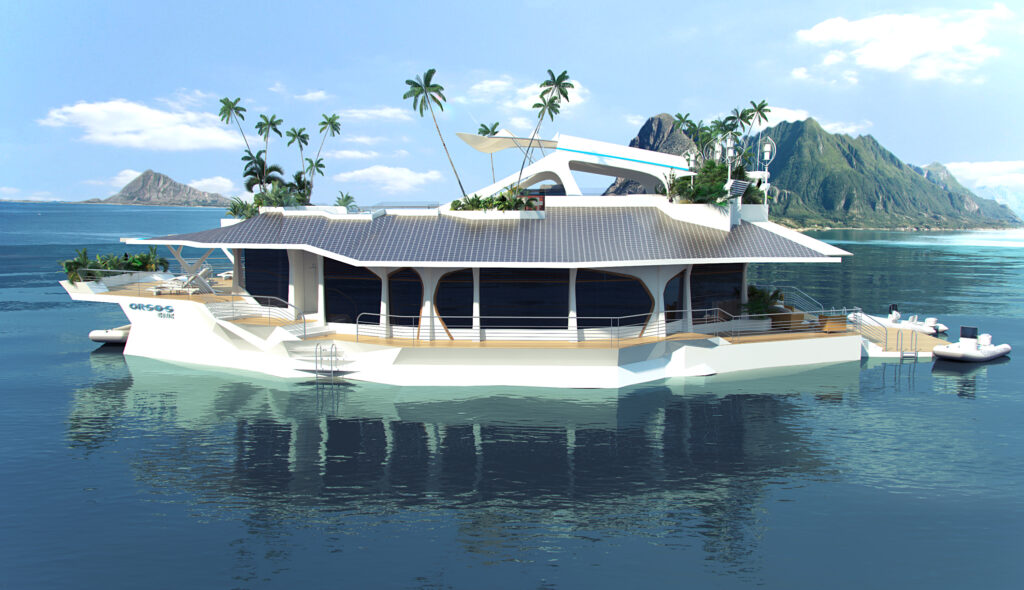
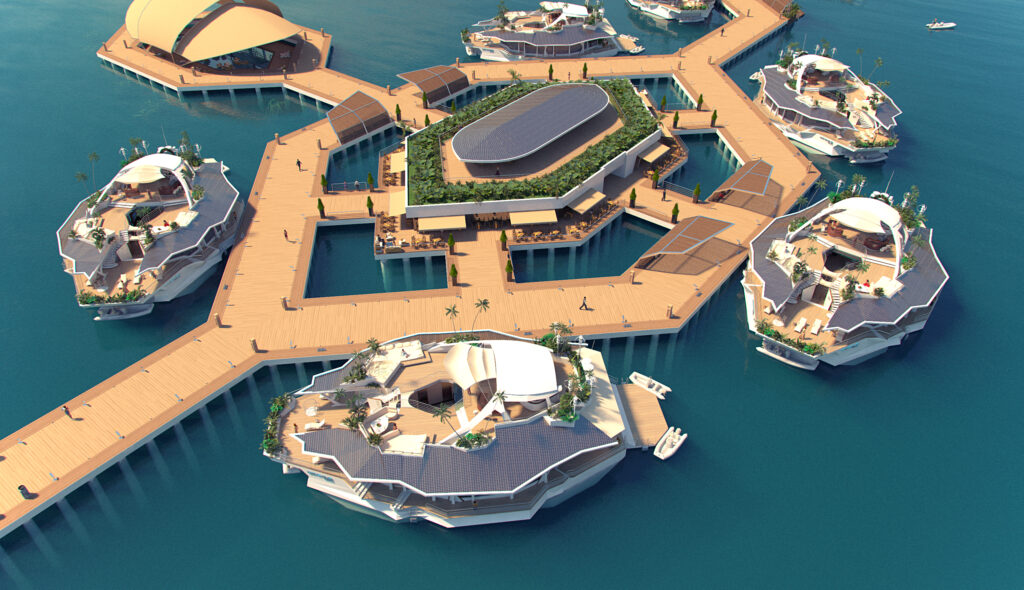
Floating islands represent a cutting-edge approach to luxury real estate, offering a unique and innovative way to experience island living. These artificial islands can be custom-designed to meet the specific needs and preferences of their owners, providing unparalleled flexibility and control.
While still a relatively new concept, floating islands are gaining traction as a viable alternative to traditional private islands. They offer several advantages, including:
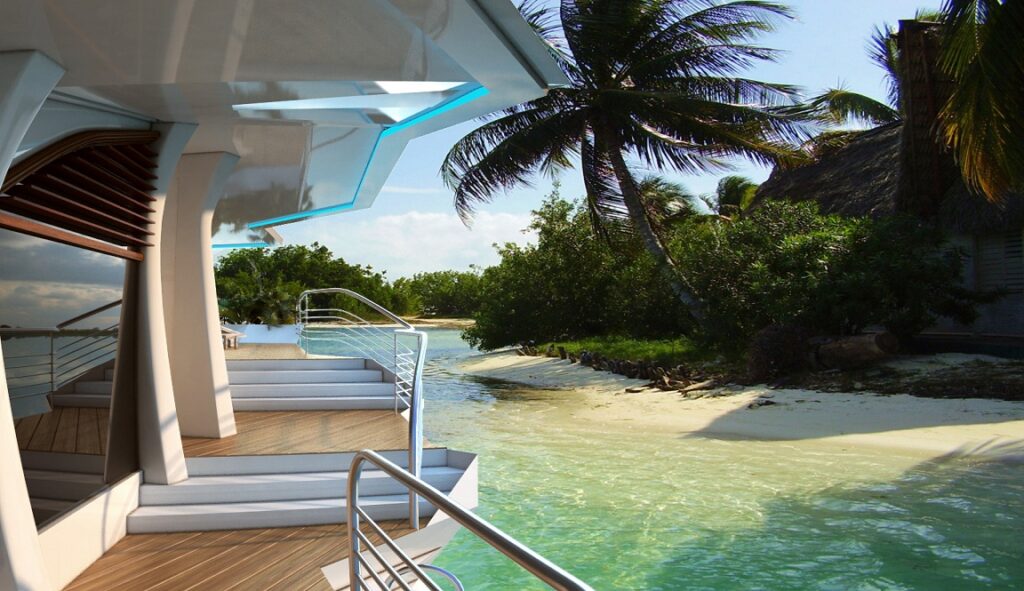
* **Location Flexibility:** Floating islands can be located in virtually any body of water, allowing owners to choose the perfect setting for their dream home.
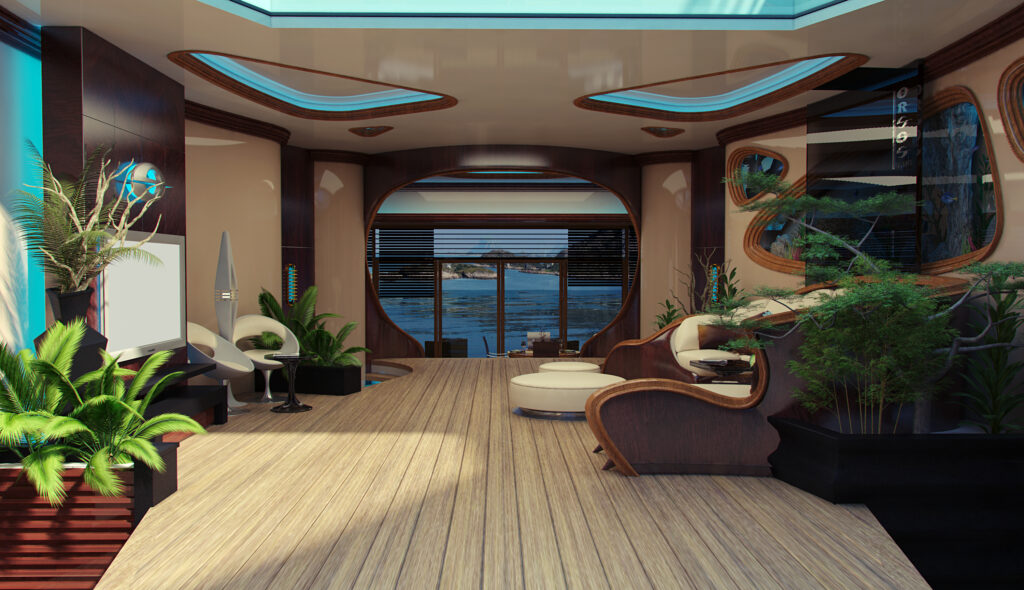
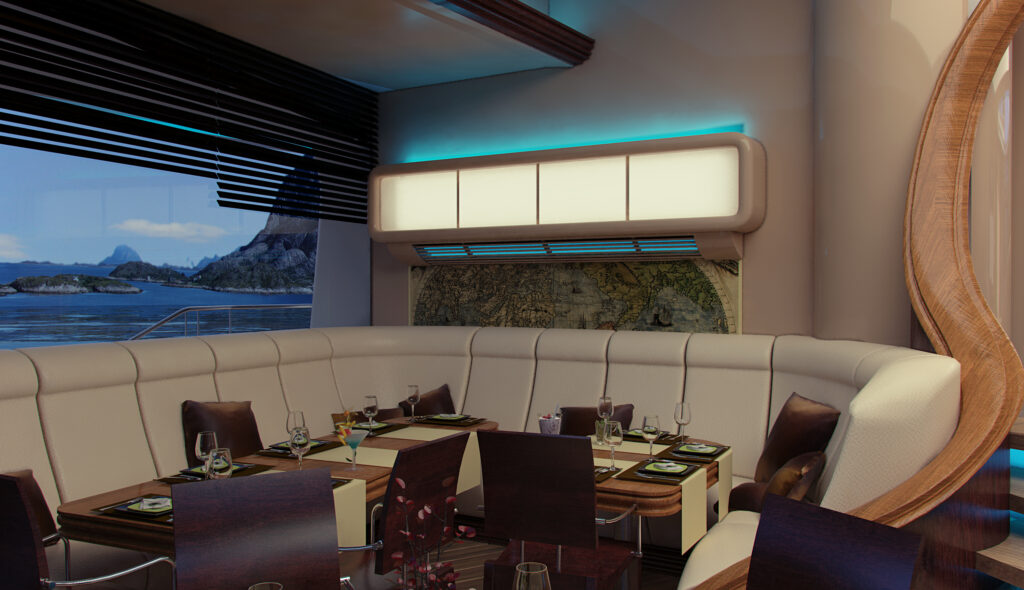
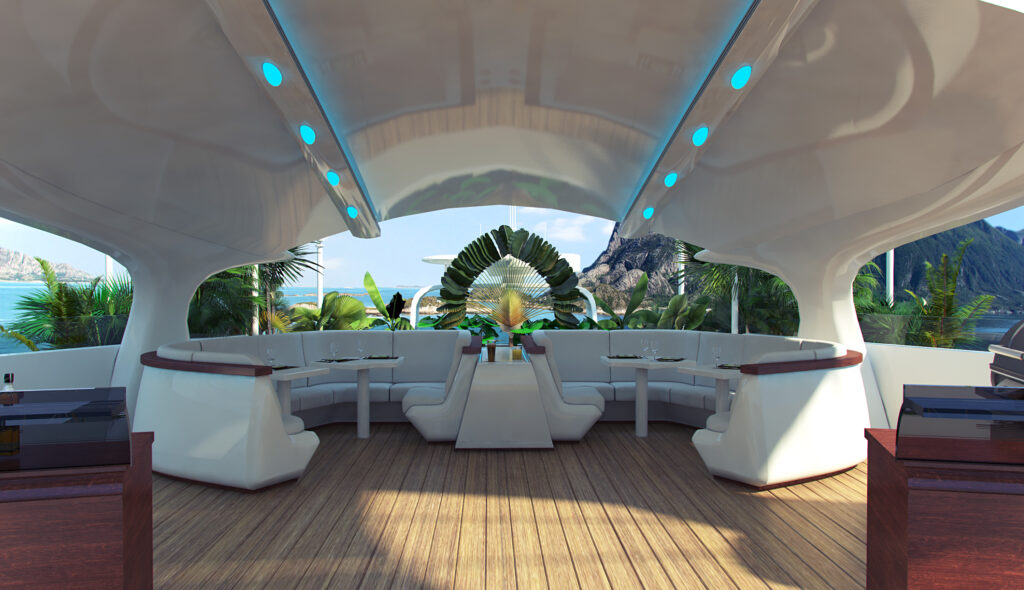
* **Customization:** Floating islands can be designed and built to meet the exact specifications of their owners, offering unparalleled customization options.
* **Environmental Sustainability:** Floating islands can be designed with sustainability in mind, incorporating renewable energy sources and eco-friendly building materials.
* **Security:** Floating islands can be easily relocated in the event of a natural disaster or security threat.
However, floating islands also present some unique challenges, including:
* **Regulatory Hurdles:** The regulatory framework for floating islands is still evolving, and obtaining the necessary permits and approvals can be a complex process.
* **Engineering Challenges:** Designing and constructing a stable and durable floating island requires advanced engineering expertise.
* **Cost:** The cost of building a floating island can be significantly higher than that of a traditional private island.
Despite these challenges, floating islands represent an exciting new frontier in luxury real estate, offering a glimpse into the future of island living. As technology advances and regulatory frameworks become more established, floating islands are likely to become an increasingly popular option for those seeking the ultimate in luxury and exclusivity.
