




The Future of Luxury Living: Sustainable Floating Islands
The concept of luxury living is constantly evolving. Gone are the days when sprawling mansions and extravagant displays of wealth were the sole definition of opulence. Today, discerning individuals are seeking something more: experiences, privacy, and a connection with nature, all while minimizing their environmental impact. This is where the allure of sustainable floating islands comes into play, representing a paradigm shift in luxury real estate and offering a unique blend of exclusivity, innovation, and environmental responsibility.
The Appeal of Private Island Living: Reimagined
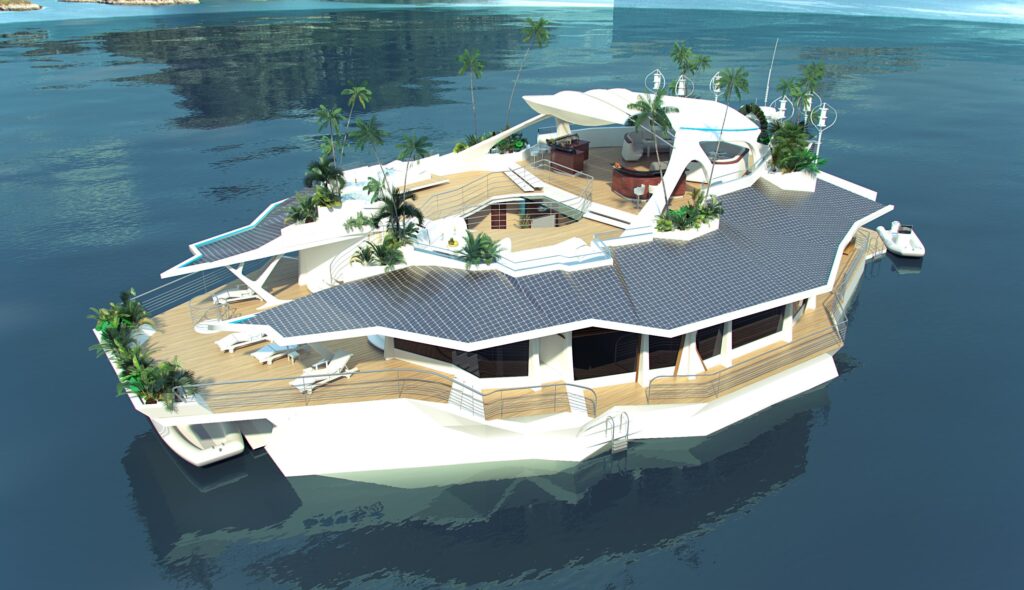
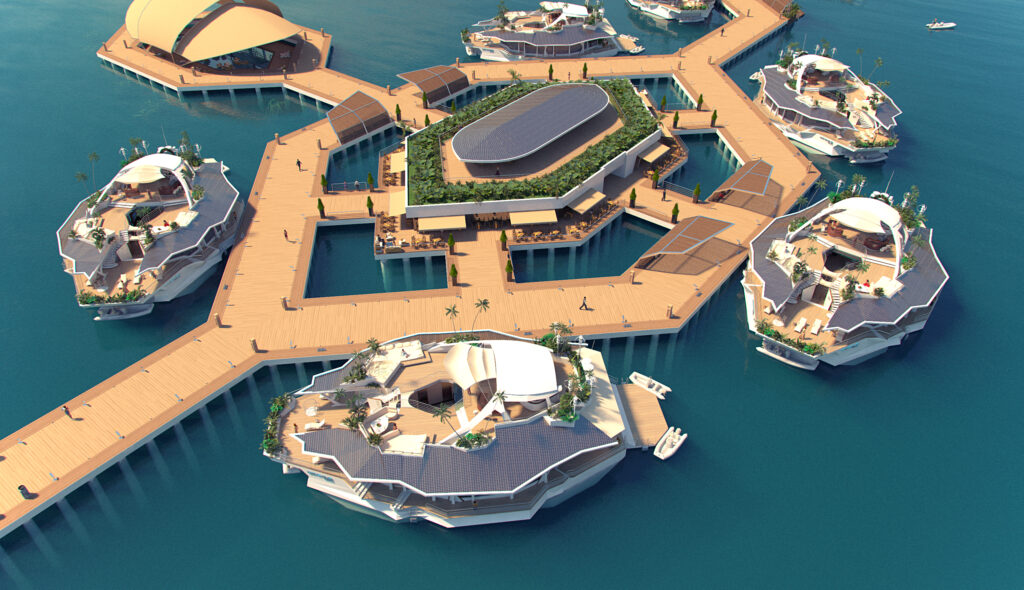
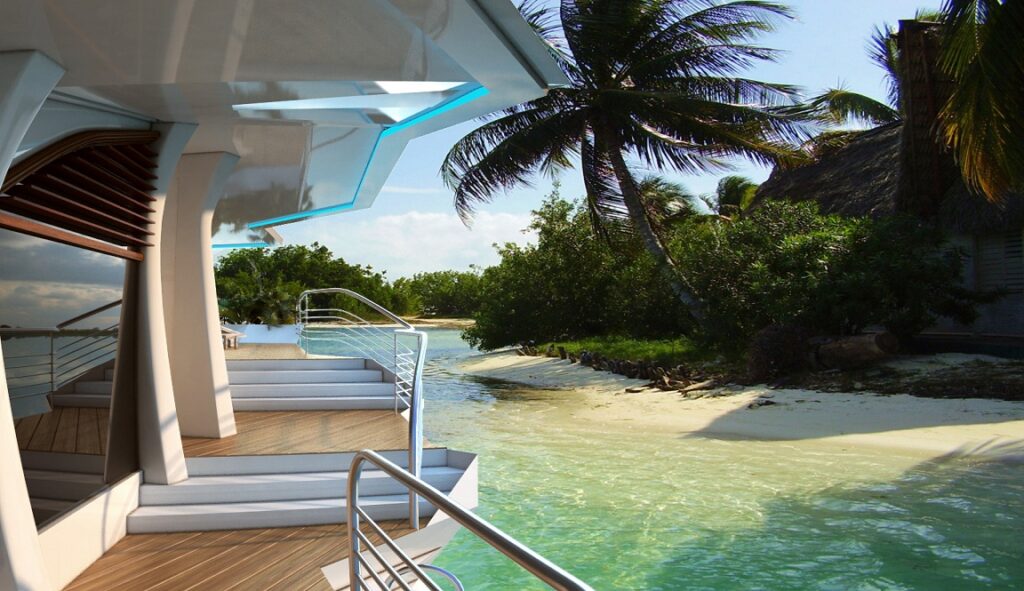
The dream of owning a private island has long captured the imagination. The promise of secluded beaches, crystal-clear waters, and unparalleled privacy is undeniably appealing. However, traditional private island ownership often comes with significant environmental costs and logistical challenges. Sustainable floating islands offer a compelling alternative, addressing these concerns while enhancing the allure of island living. These engineered ecosystems provide a stable and customizable platform for creating bespoke residences, resorts, or even entire communities. Unlike fixed islands, floating islands can be strategically positioned to maximize sunlight, minimize storm exposure, and optimize access to amenities. Imagine waking up to breathtaking ocean views, knowing that your home is not only luxurious but also designed to minimize its environmental footprint.
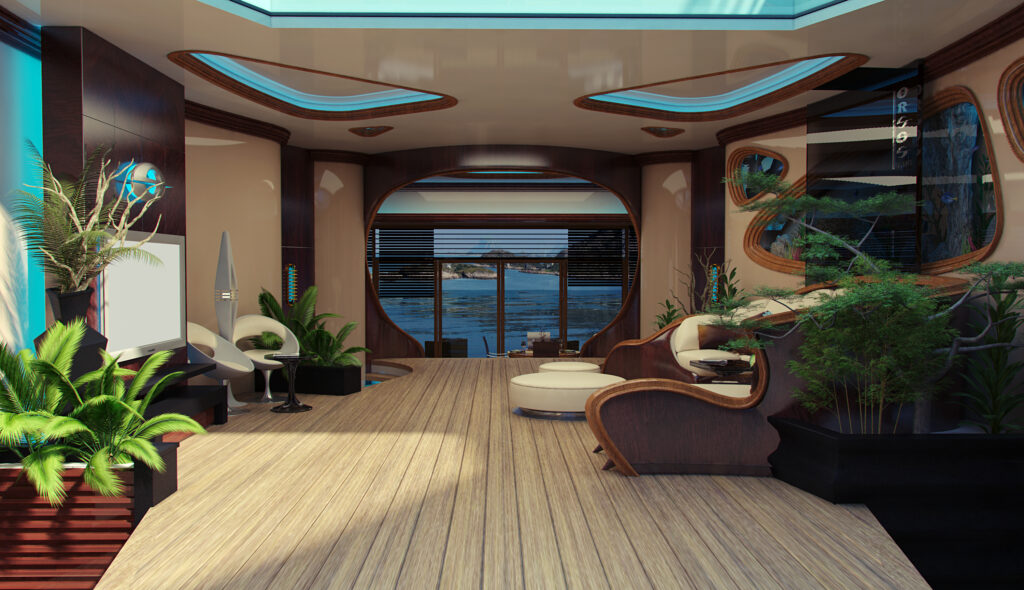
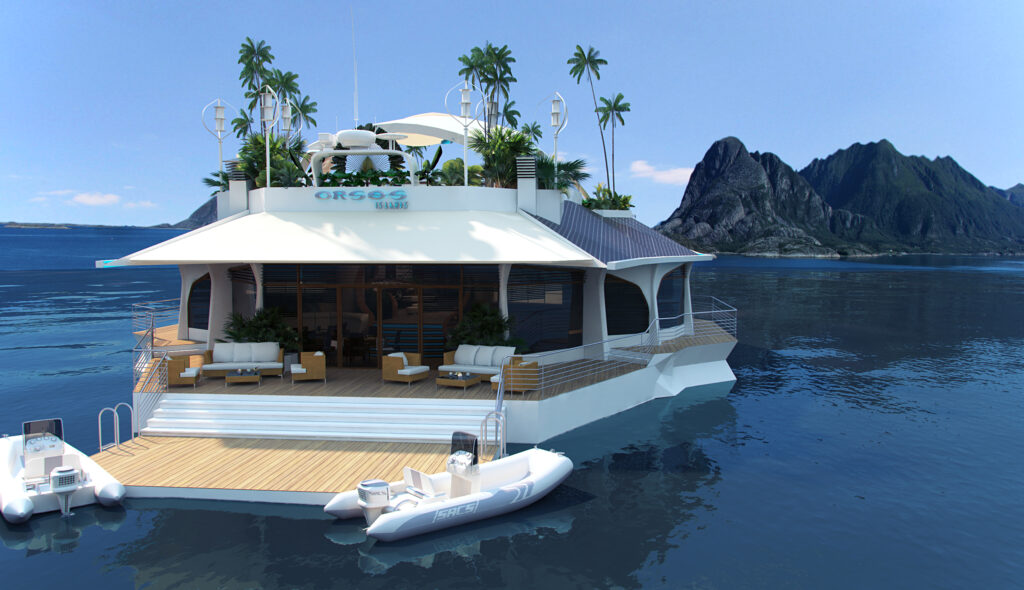
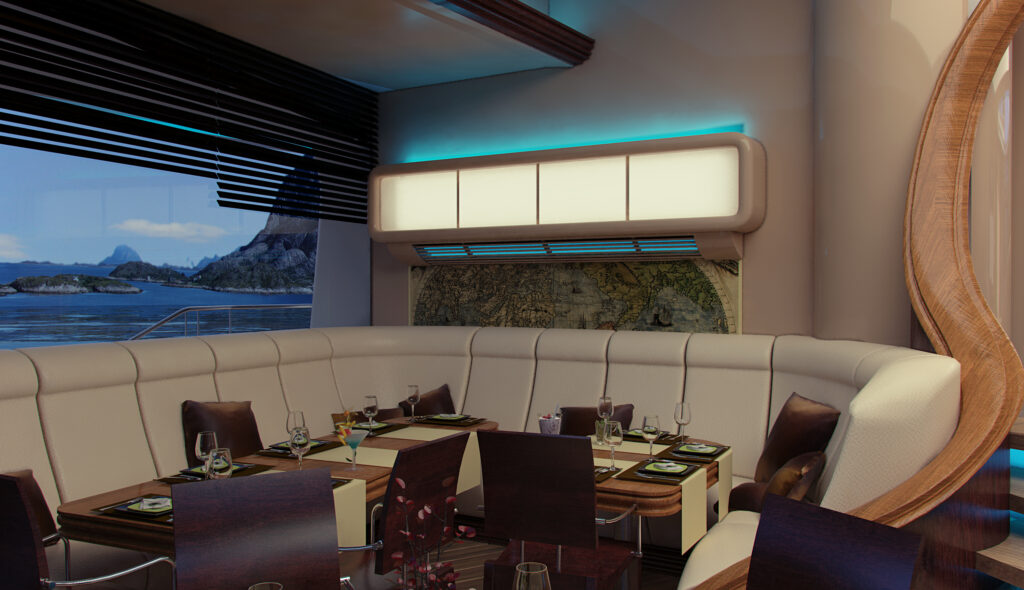
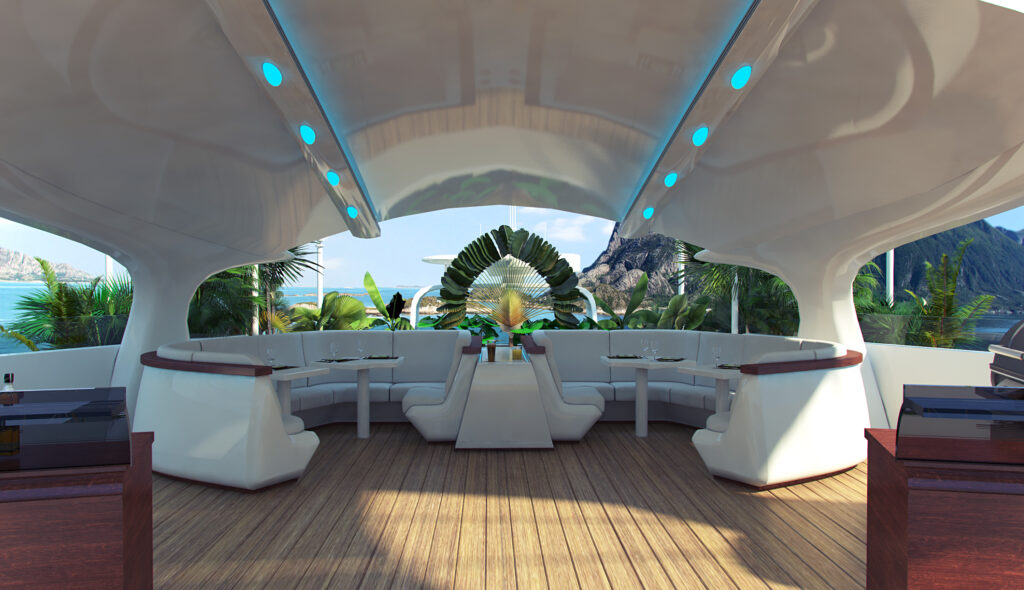
Furthermore, the flexibility of floating islands allows for unparalleled customization. Owners can work with architects and engineers to create their dream home, incorporating features such as infinity pools, private docks, and lush gardens. The possibilities are limited only by imagination. The modular nature of many floating island designs also allows for future expansion and adaptation, ensuring that your island paradise remains perfectly tailored to your evolving needs. For those seeking an unparalleled level of privacy and control, a sustainable floating island offers a truly unique and exclusive living experience.
Sustainability at the Core: Eco-Conscious Luxury
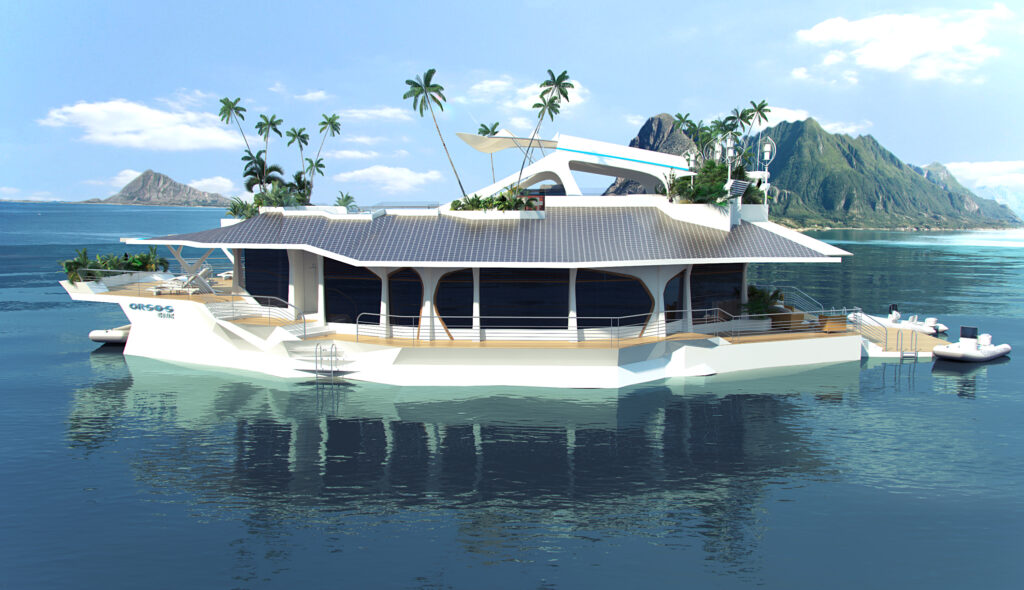
One of the most compelling aspects of sustainable floating islands is their commitment to environmental responsibility. These innovative structures are designed to minimize their impact on the surrounding marine environment. Many designs incorporate features such as closed-loop water systems, solar energy generation, and waste management systems that reduce pollution and conserve resources. Furthermore, the construction of floating islands can often be less disruptive to marine ecosystems than traditional island development, which often involves dredging and land reclamation. The use of sustainable materials, such as recycled plastics and responsibly sourced timber, further reduces the environmental footprint of these structures.
Beyond minimizing environmental impact, some floating island designs even aim to actively improve the surrounding ecosystem. For example, artificial reefs can be integrated into the island’s foundation, providing habitat for marine life and enhancing biodiversity. Similarly, constructed wetlands can be used to filter wastewater and provide a natural habitat for birds and other wildlife. By embracing sustainable design principles, floating islands can become a model for eco-conscious luxury living, demonstrating that it is possible to enjoy the benefits of private island ownership without compromising the health of the planet. The future of luxury real estate lies in embracing these innovative and responsible solutions.
The integration of renewable energy sources is also paramount. Solar panels can be seamlessly integrated into the island’s design, providing a clean and sustainable source of power. Wind turbines can also be incorporated, particularly in areas with strong and consistent winds. By harnessing the power of the sun and wind, floating islands can significantly reduce their reliance on fossil fuels and minimize their carbon footprint. Moreover, energy storage systems, such as batteries, can be used to store excess energy generated during peak periods, ensuring a reliable and consistent power supply.
Investing in the Future: The Economic Benefits of Floating Islands
While the initial investment in a sustainable floating island may be significant, the long-term economic benefits can be substantial. These benefits include reduced operating costs, increased property values, and the potential for generating revenue through tourism or other commercial activities. The reduced reliance on fossil fuels and other unsustainable resources can lead to significant savings on energy and water bills. Furthermore, the unique and exclusive nature of floating island properties can command premium prices in the luxury real estate market. As demand for sustainable and environmentally responsible living options continues to grow, the value of these properties is likely to appreciate significantly over time.
Beyond the individual homeowner, floating islands can also bring economic benefits to the surrounding communities. The construction and operation of these islands can create jobs and stimulate local economies. Furthermore, floating islands can attract tourists and generate revenue for local businesses. By embracing sustainable tourism practices, floating islands can contribute to the long-term economic prosperity of the region. However, it is crucial to ensure that these developments are carefully planned and managed to minimize any potential negative impacts on local communities and the environment. Responsible development practices are essential to maximizing the economic benefits of floating islands while preserving the natural beauty and cultural heritage of the surrounding area. Discover the thrill of online entertainment and potential winnings with casibom, adding an exciting element to your luxurious island lifestyle.
The Challenges and Opportunities Ahead
While the concept of sustainable floating islands holds immense promise, there are also challenges that need to be addressed. These challenges include the cost of construction, the complexity of engineering and permitting, and the potential environmental impacts. However, ongoing research and development efforts are helping to overcome these challenges and make floating islands more accessible and sustainable. Innovations in materials science, engineering design, and energy technology are driving down costs and improving the performance of these structures. Furthermore, governments and regulatory agencies are increasingly recognizing the potential of floating islands and are working to develop clear and consistent permitting processes.
The future of sustainable floating islands is bright. As technology advances and costs continue to decline, these innovative structures are poised to become a more mainstream option for luxury real estate and sustainable living. From private residences to eco-resorts to entire floating cities, the possibilities are truly limitless. By embracing sustainability, innovation, and collaboration, we can unlock the full potential of floating islands and create a more sustainable and equitable future for all.
