




The Future of Luxury Living: Where Private Islands Meet Sustainable Design
The pursuit of luxury is constantly evolving. It’s no longer just about opulence and grandeur; it’s about exclusivity, sustainability, and experiences that resonate with a deeper understanding of our world. In the realm of luxury real estate, this translates into a growing demand for private islands, floating homes, and properties that embrace sustainable living principles. These aren’t just homes; they’re statements of intent, a commitment to a lifestyle that balances indulgence with responsibility.
Private Islands: The Ultimate Escape
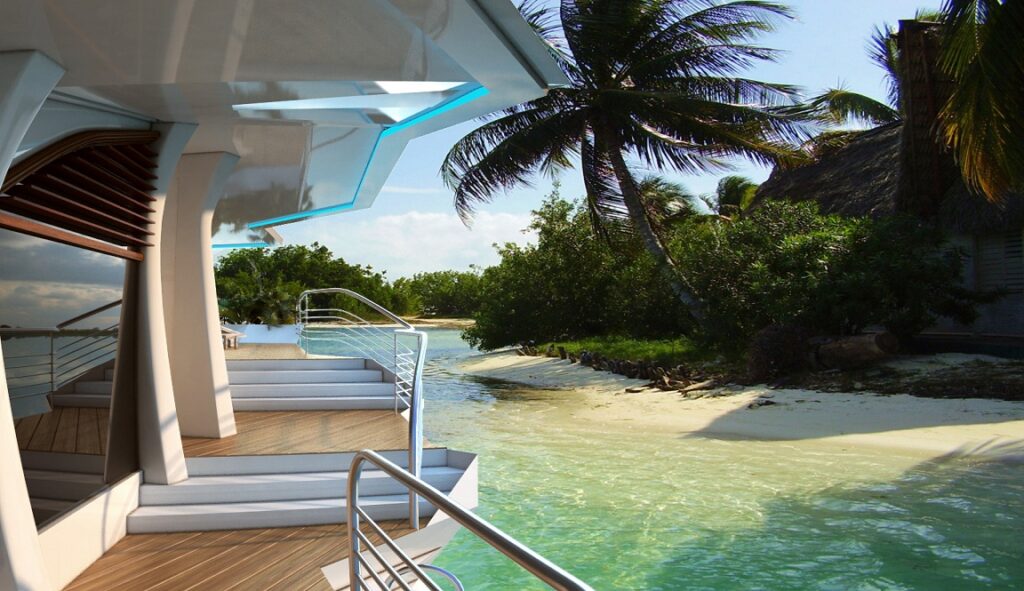
For those seeking the ultimate escape, a private island offers unparalleled freedom and seclusion. Imagine waking up to the sound of waves gently lapping against your own private shore, surrounded by turquoise waters and lush tropical foliage. The possibilities are endless: build a sprawling villa, create a self-sufficient eco-retreat, or simply enjoy the pristine beauty of your own untouched paradise.
The allure of private islands lies not only in their exclusivity but also in the opportunity to create a truly bespoke living environment. You have complete control over the design, construction, and management of your island estate, allowing you to tailor every detail to your exact specifications. Whether you envision a modern masterpiece of glass and steel or a traditional thatched-roof bungalow, the only limit is your imagination.
Of course, acquiring and developing a private island is a complex undertaking. It requires careful planning, expert advice, and a significant investment. But for those who can afford it, the rewards are immeasurable. A private island is more than just a property; it’s a legacy, a sanctuary, and a testament to the power of dreams. The challenges of finding the right property, navigating local regulations, and ensuring sustainable development can be daunting. Sometimes, the search for the perfect escape mirrors other kinds of pursuits in life, requiring dedication and resourcefulness. Just as some might research options for mardin escort services, potential island buyers need to thoroughly investigate their options before making a commitment.
Floating Homes: Redefining Waterfront Living
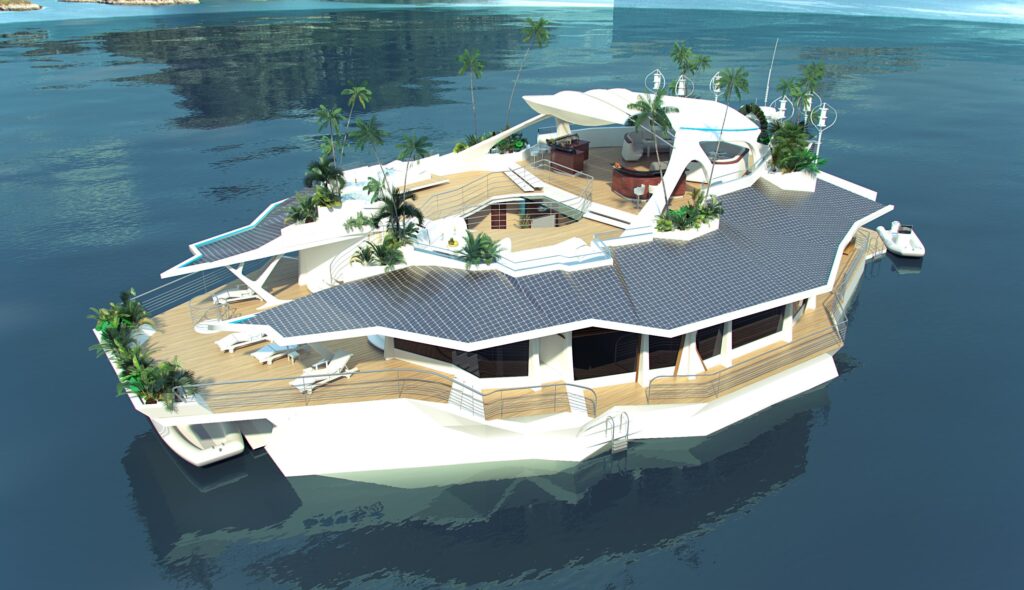
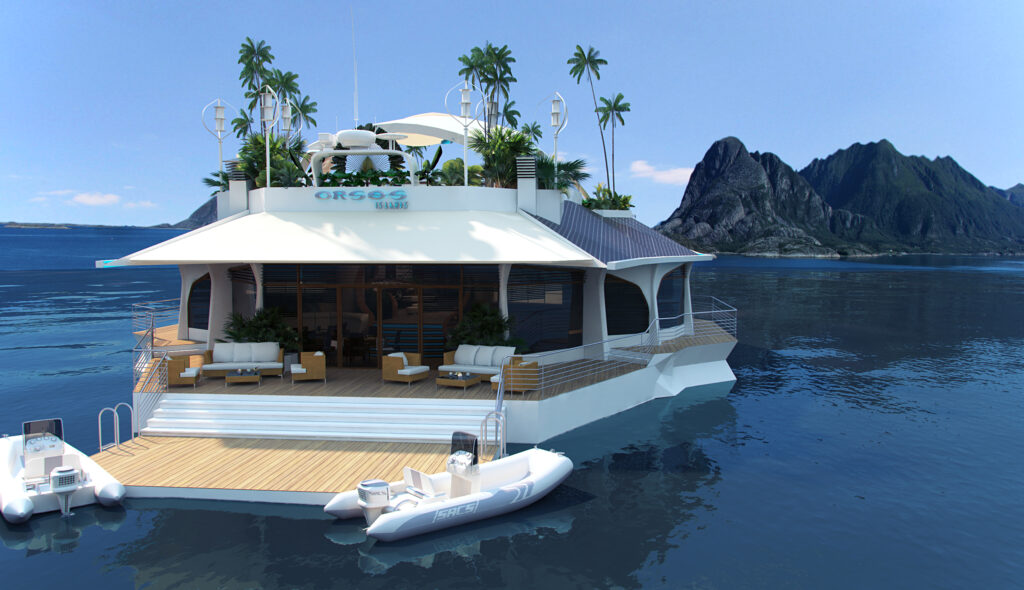
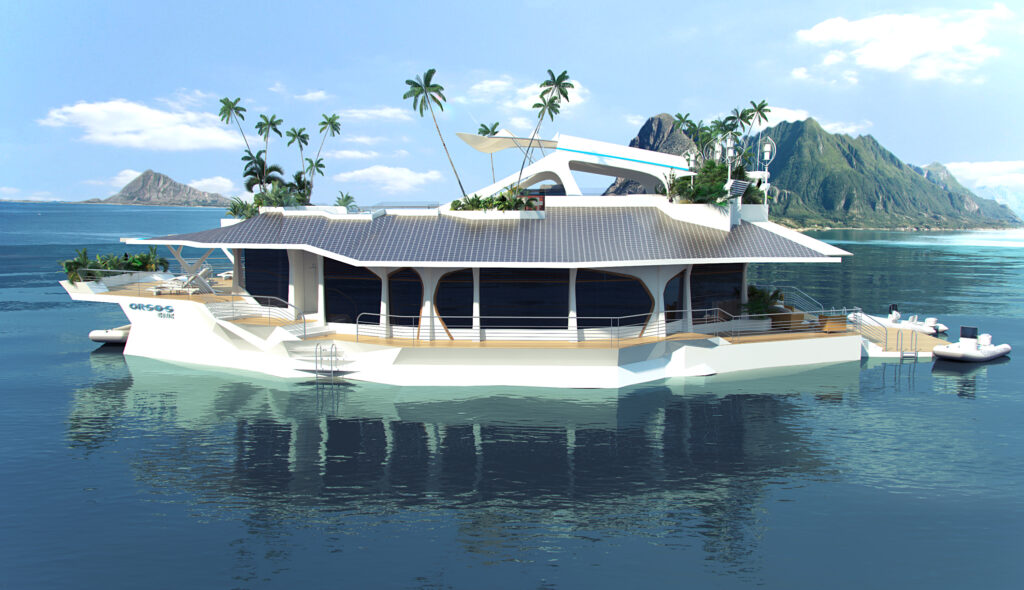
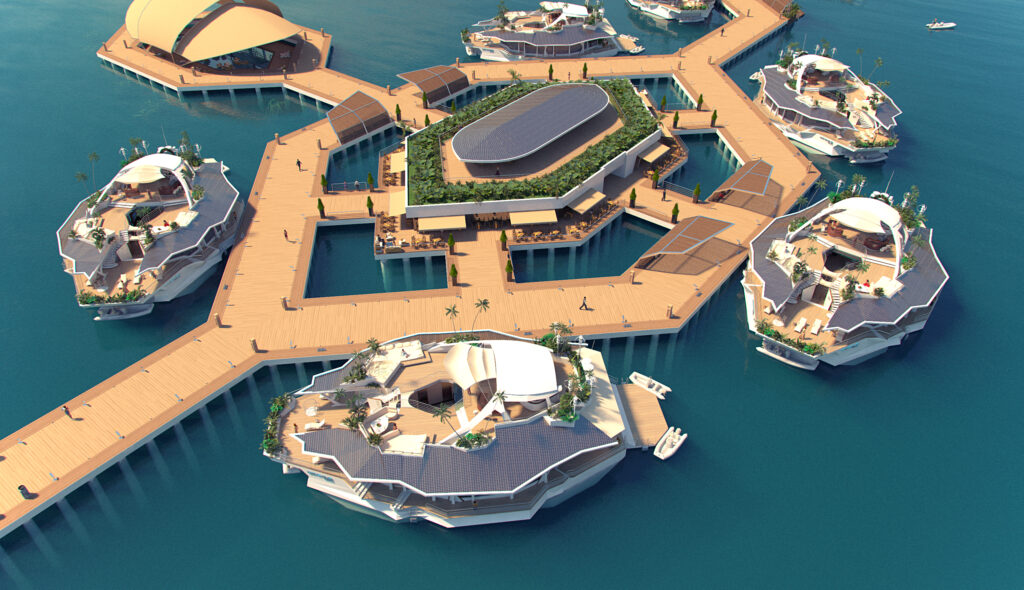
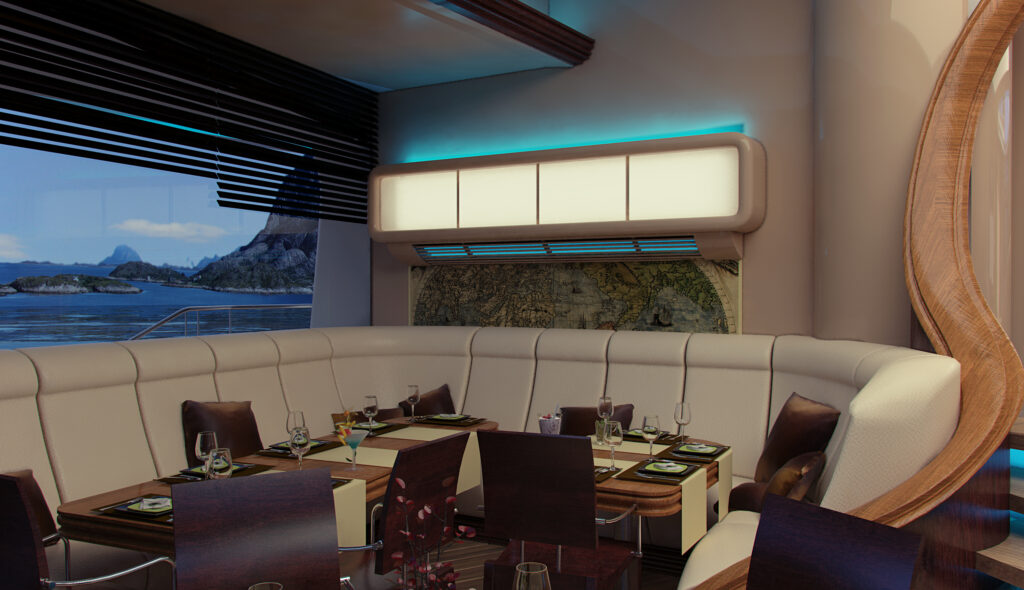
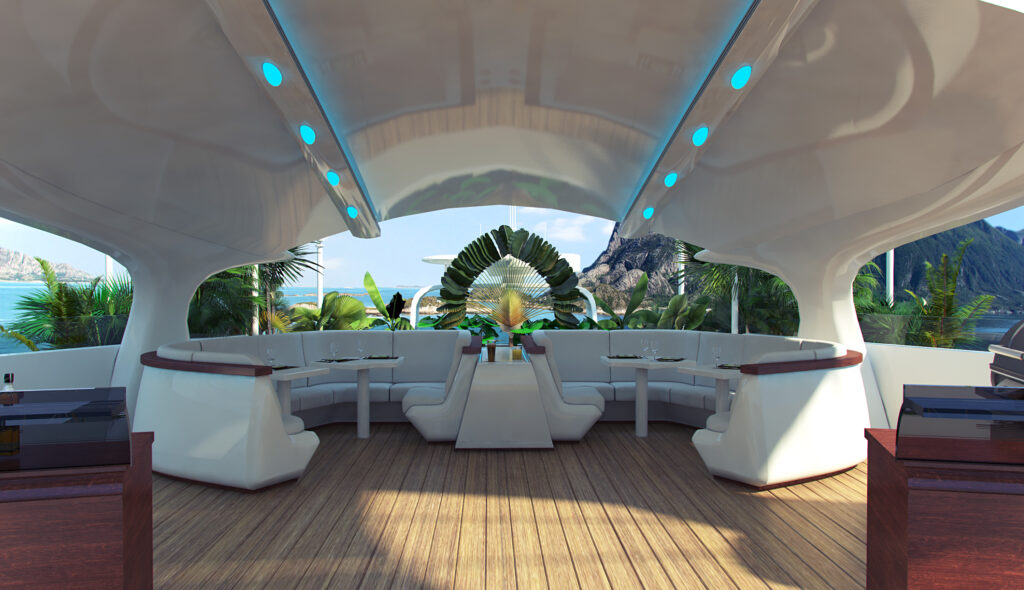
While private islands offer complete isolation, floating homes provide a unique blend of waterfront living and community connection. These innovative structures are designed to float on water, offering breathtaking views and unparalleled access to the aquatic environment. From sleek, modern designs to charming, rustic cabins, floating homes come in a variety of styles to suit every taste.
One of the key advantages of floating homes is their flexibility. They can be easily moved from one location to another, allowing you to explore different waterways and experience new landscapes. This is particularly appealing to those who crave adventure and are not tied to a specific location. Furthermore, floating homes often have a smaller environmental footprint than traditional land-based properties, as they do not require extensive excavation or construction.
However, living on a floating home also presents unique challenges. You need to be prepared for the constant movement of the water, as well as the potential for storms and rough seas. It’s also important to choose a location with suitable infrastructure, such as access to utilities and waste disposal services. Despite these challenges, the appeal of floating homes continues to grow, as more people seek alternative and sustainable ways to live on the water.
Sustainable Living: The Future of Luxury
Luxury is no longer synonymous with extravagance and excess. Today’s discerning buyers are increasingly seeking properties that embrace sustainable living principles. This includes features such as solar panels, rainwater harvesting systems, and energy-efficient appliances. But sustainable living is more than just installing green technologies; it’s about adopting a holistic approach to design and construction that minimizes environmental impact and promotes well-being.
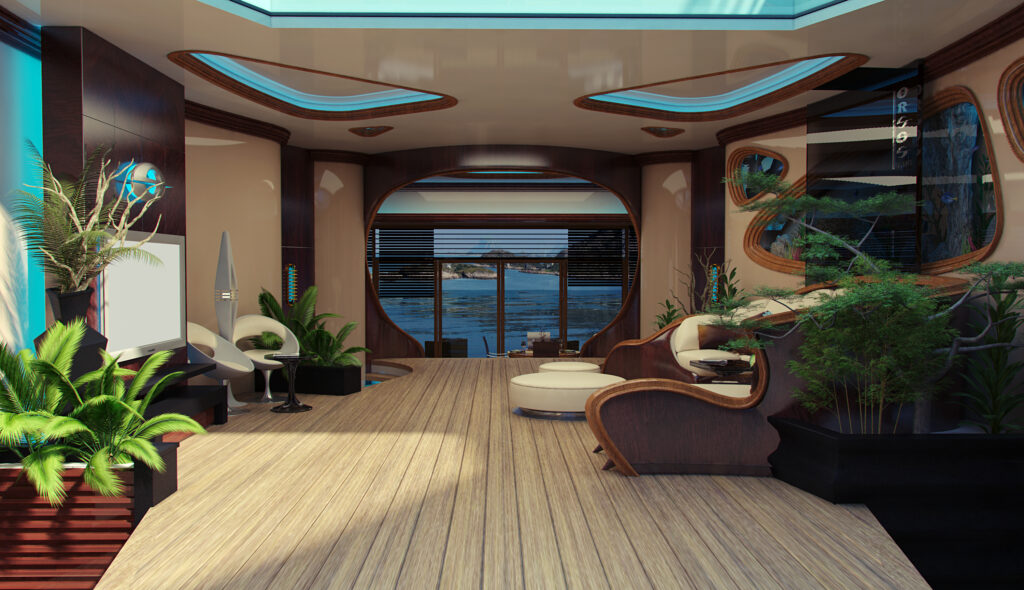
Sustainable homes are often built with natural, locally sourced materials, such as wood, bamboo, and stone. They are designed to maximize natural light and ventilation, reducing the need for artificial lighting and air conditioning. And they often incorporate features such as green roofs and vertical gardens, which help to purify the air and create a more pleasant living environment.
The benefits of sustainable living extend beyond environmental considerations. Sustainable homes are often healthier and more comfortable to live in, thanks to improved air quality and reduced exposure to toxins. They can also save you money on energy and water bills. And perhaps most importantly, they provide a sense of satisfaction knowing that you are living in a way that is both luxurious and responsible.
The Convergence of Luxury and Sustainability
The future of luxury real estate lies in the convergence of these three trends: private islands, floating homes, and sustainable living. Imagine a private island powered entirely by renewable energy, with a floating villa that seamlessly blends into the surrounding environment. This is not just a pipe dream; it’s a vision that is rapidly becoming a reality.
As technology continues to advance and our understanding of sustainable design deepens, we can expect to see even more innovative and luxurious properties that embrace these principles. The wealthy have a responsibility to lead the way in sustainable living, demonstrating that it is possible to live a life of indulgence without compromising the health of our planet. By investing in private islands, floating homes, and sustainable properties, they can help to create a more sustainable and equitable future for all.
Ultimately, the pursuit of luxury is about more than just acquiring material possessions. It’s about creating a life that is meaningful, fulfilling, and in harmony with the natural world. And as we move towards a more sustainable future, the definition of luxury will continue to evolve, placing greater emphasis on experiences, relationships, and the well-being of our planet.
